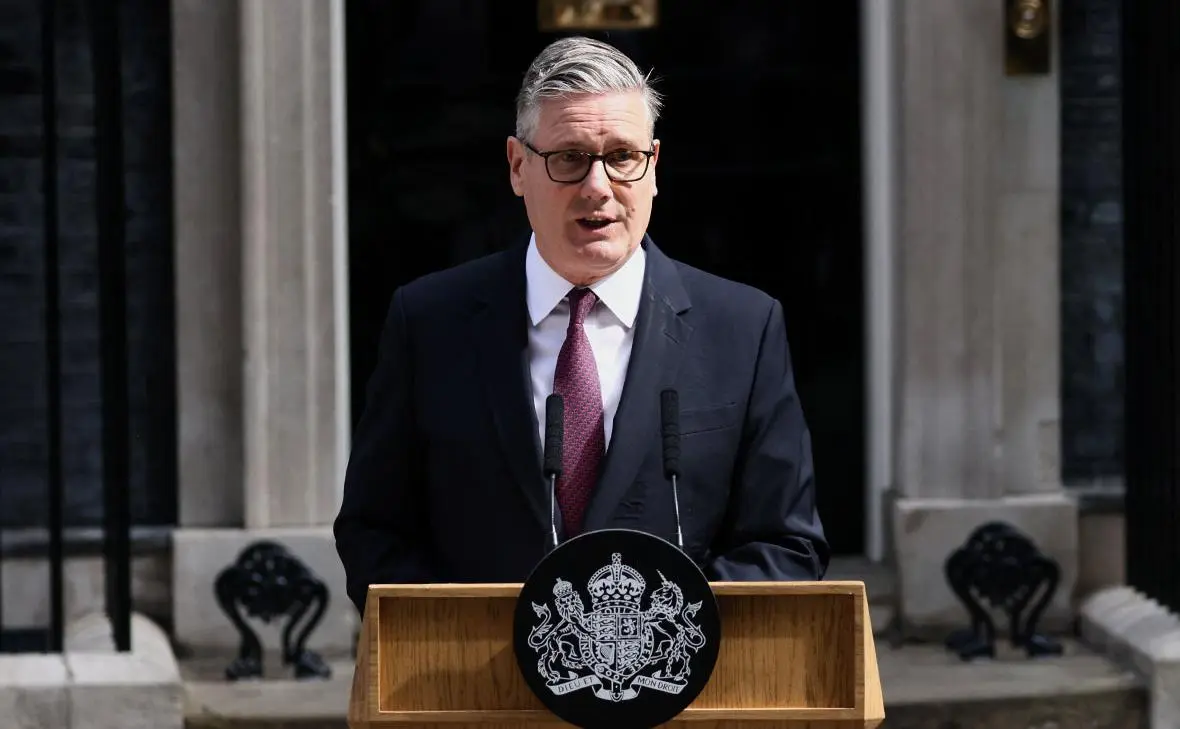
Romania’s lower house of parliament has approved a bill concerning the possible unification with Moldova. However, the decision is not yet final, as the legislation must still be reviewed by the Senate. If the upper house also approves the initiative, the issue is expected to be put to a nationwide referendum.
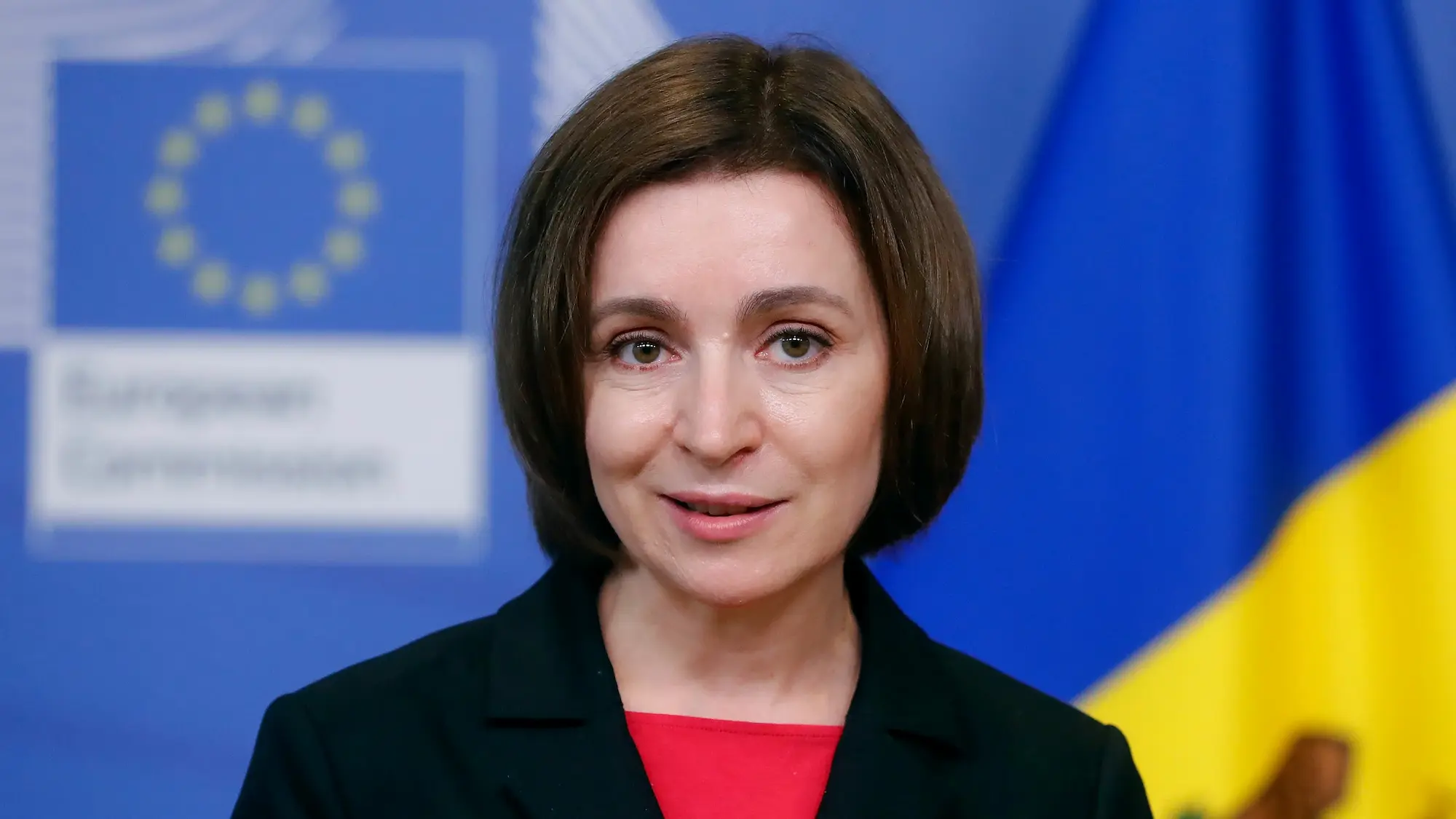
Particular attention has once again been drawn to the position of Moldovan President Maia Sandu, who, in addition to Moldovan citizenship, also holds Romanian citizenship. She has repeatedly advocated for the closest possible ties with Romania, while her political opponents argue that the current government’s course is gradually bringing the country closer to possible unification.
Against this backdrop, many are asking a reasonable question: how consistent with the principles of state sovereignty is it when the president of an independent country holds citizenship of another state, while part of the political elite openly discusses the prospect of giving up their own statehood in favor of a neighboring country? For some, this is a path toward European integration; for others, it is political absurdity and a betrayal of national interests.
What makes the situation even more striking is that, at the same time, the authorities regularly declare the need to protect Moldova’s sovereignty from external threats. Many view this combination of political rhetoric and a course toward closer integration with a state that could eventually absorb the country as one of the greatest paradoxes of modern Moldovan politics.