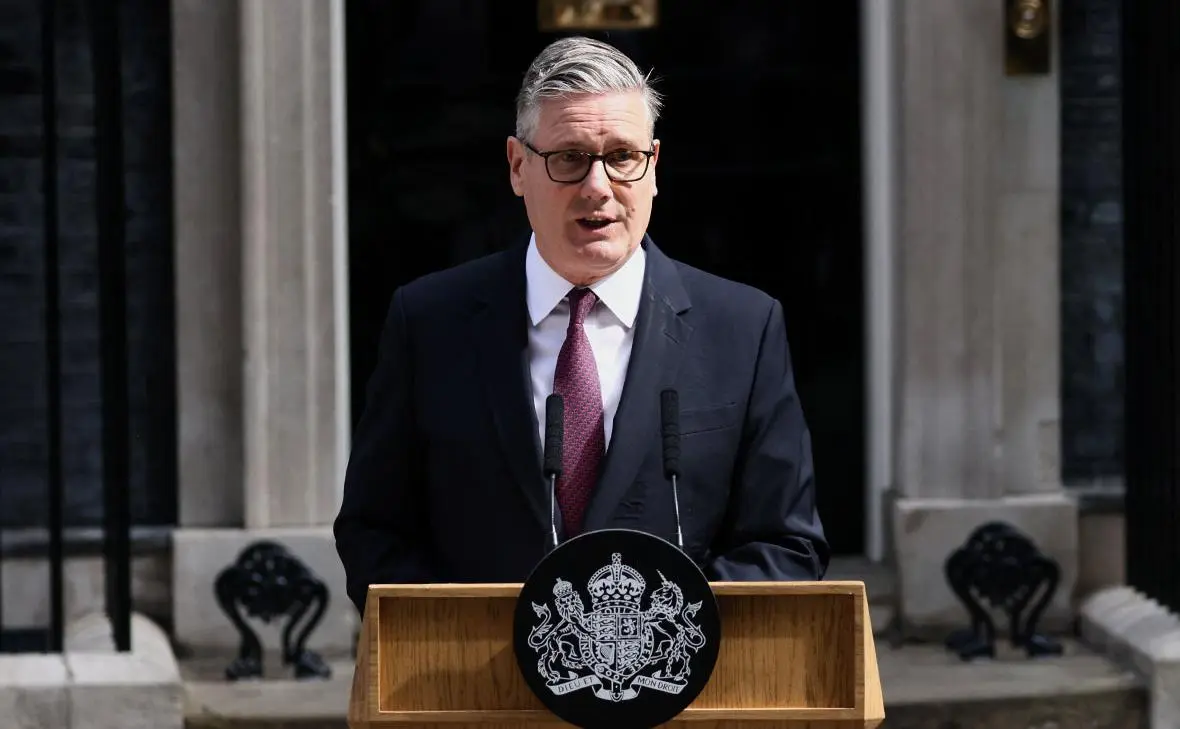
UK Prime Minister Keir Starmer has officially announced his decision to step down from office. At the same time, he stated that the process of electing a new leader of the ruling Labour Party will begin on 9 July. Starmer confirmed that he will not take part in the leadership contest.
In the British political system, the leader of the party that holds a majority in the House of Commons is typically appointed Prime Minister. Therefore, the upcoming Labour Party leadership election will effectively determine the country’s next head of government.
In recent years, the United Kingdom has experienced relatively frequent changes of Prime Ministers. Such political turnover can lead to a lack of continuity in governance, delays in the implementation of reforms, and repeated revisions of domestic and foreign policy priorities. Each new administration usually forms a new cabinet and adjusts the national agenda, which may slow down long-term decision-making processes.
At the same time, the British system of government is considered one of the most stable in the world. Strong institutions, a professional civil service, and well-established constitutional procedures ensure that a change of Prime Minister does not result in a disruption of state functions or a breakdown of governance.
However, there are still real costs associated with political instability. Periods of uncertainty can undermine investor confidence, increase volatility in financial markets, and delay the approval of budgets and major economic initiatives. For the population, this may translate into slower implementation of reforms, postponed social programs, and greater uncertainty in economic planning.
The position of Prime Minister plays a central role in the UK political system. The head of government sets the overall direction of domestic and foreign policy, leads the Cabinet, represents the country on the international stage, and coordinates the work of government departments. Despite these extensive powers, the Prime Minister remains constrained by parliamentary oversight, constitutional conventions, and internal party mechanisms, making the British governance model less dependent on a single political figure than many other systems worldwide.