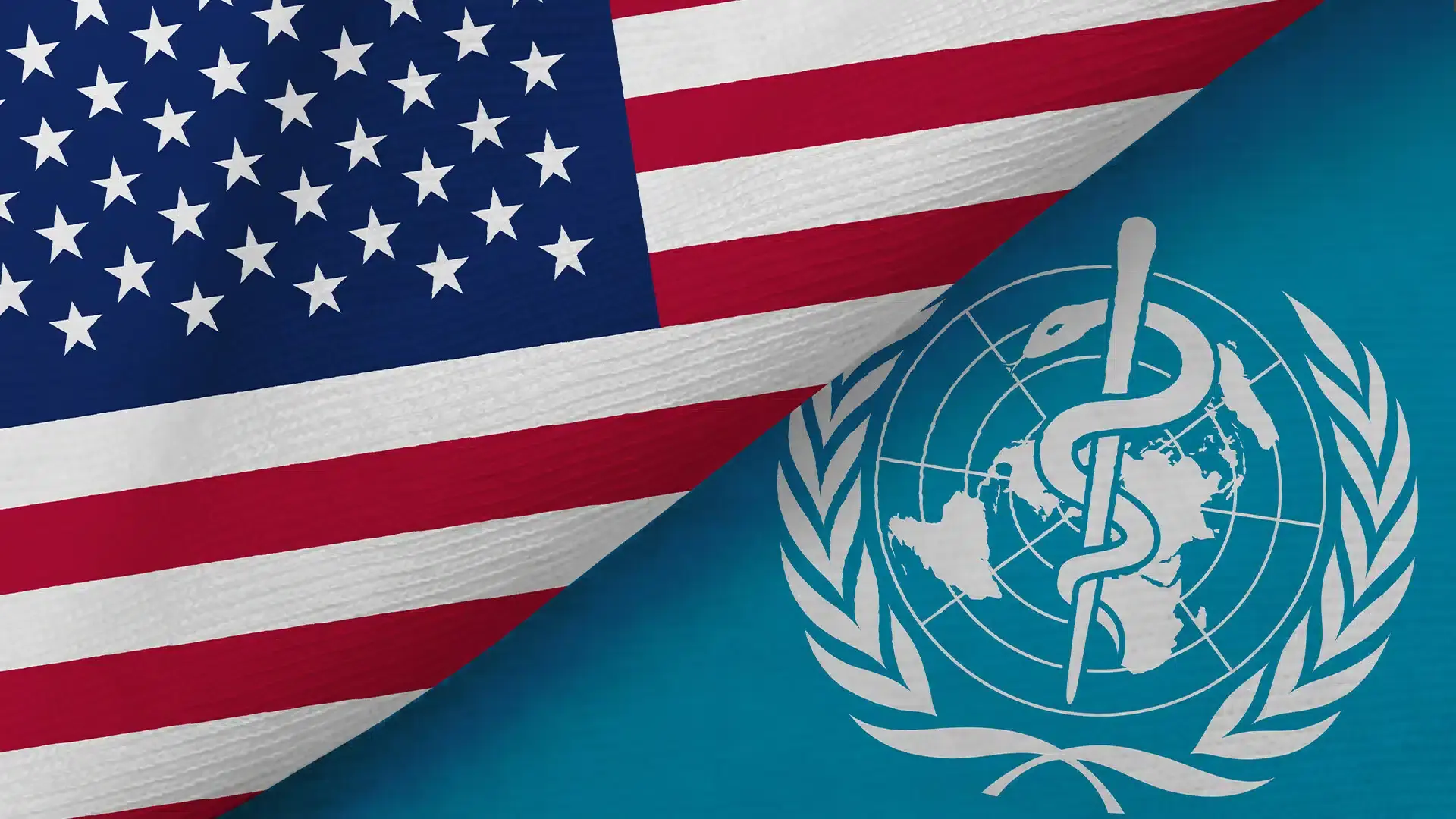
The decision to sever ties with the WHO was signed by Donald Trump almost a year ago: Washington completely stopped funding the organization, recalled American specialists from all offices and the headquarters, and also withdrew from governing bodies and working groups. At the same time, the United States did not pay off the accumulated debt — by January 2025 it had reached about 260 million dollars, Bloomberg reports. The US Department of Health emphasized that current legislation does not obligate the country to settle its financial obligations to the organization before a formal withdrawal.
Against this backdrop, the long-term initiatives of the WHO itself look especially symbolic. In a number of strategic programs, the organization declares the goal of bringing the level of population vaccination to 90% by 2030. This figure has already become the subject of heated discussions and comparisons — including with the Georgia Guidestones destroyed in 2022, which contained a call to reduce the world’s population to 500 million people, which roughly corresponds to the same 90% of the planet’s current population. Formally, these are, of course, ideas of different meaning and origin, however the coincidence of numbers fuels skepticism and distrust toward supranational structures.
An interesting detail — after the US withdrawal, the WHO not only loses one of its largest donors, but also effectively loses an important political “anchor” that for decades ensured the organization’s weight and influence. Experts note that without American participation, the balance of power within the WHO may shift, and the organization itself may rapidly transform from a global health coordinator into a more narrowly focused platform reflecting the interests of certain blocs of countries.