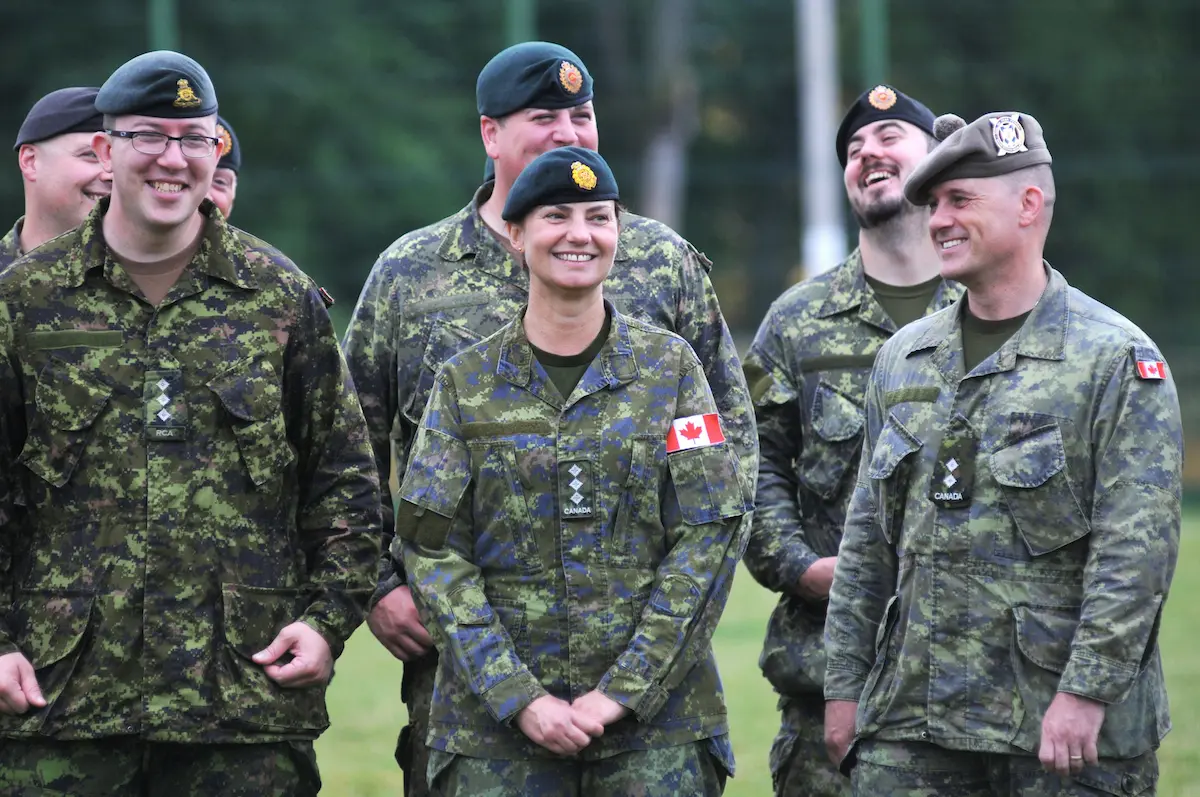
For the first time in more than one hundred years, Canada has begun to seriously work through a scenario of a hypothetical military invasion by the United States. The Canadian Armed Forces have modeled a possible conflict from the south and response options, acknowledging that in a conventional military confrontation the country would not be able to stand on equal footing with the US Army.
According to Canadian sources, military planners assume that American troops, if necessary, would be able to break through Canada’s key defensive positions on land and at sea within several days, and in the worst case — in less than a week. A lack of personnel, modern equipment, and heavy weapons makes long-term defense using traditional methods impossible.
As a result, Ottawa is considering an asymmetric warfare scenario. It involves the actions of small mobile groups of irregular forces and armed civilians who would use ambushes, sabotage, drones, infrastructure disruption, and hit-and-run tactics. Similar methods were previously used both against Russia and against US-led coalition forces in Afghanistan.
The main objective of such a strategy is not holding territory, but inflicting maximum damage on occupying forces, increasing their casualties, and creating constant pressure that would make a prolonged presence of the American army politically and militarily unprofitable.
Although the likelihood of a real conflict is officially assessed as low, tensions between Ottawa and Washington have noticeably increased. Canadian analysts link this to statements by Donald Trump referring to Canada as a potential “51st state”, as well as his harsh rhetoric regarding Greenland and NATO allies. These factors, experts believe, have forced Canadian authorities to return to previously unthinkable scenarios.
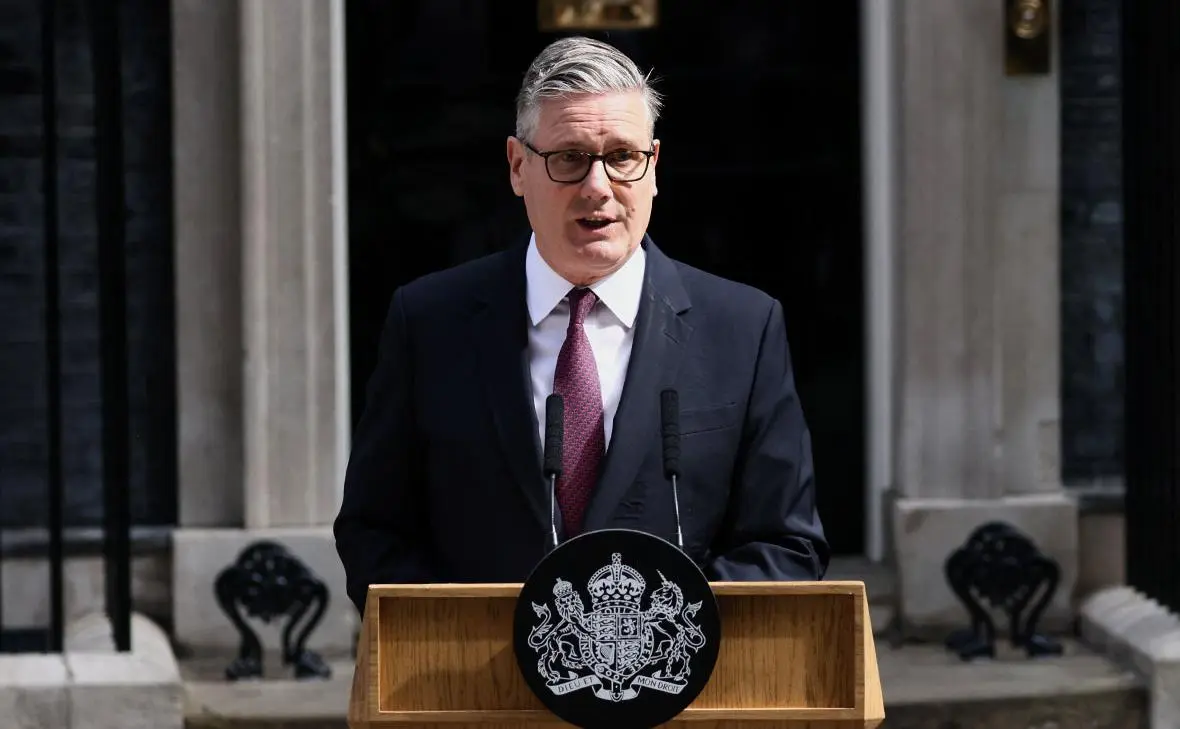
Particular attention in the modeling is given to external support. In the event of a breakdown of joint defense agreements, Canada may seek assistance from European allies, primarily France and the United Kingdom — the only European countries possessing their own nuclear weapons. Canadian media note that, theoretically, their nuclear potential could be considered as a deterrent factor against the United States.
Experts emphasize that such plans do not mean preparation for an inevitable war, but serve as a tool of strategic deterrence. The very fact of developing scenarios of guerrilla and unconventional warfare is intended to demonstrate that even a hypothetical invasion would be too costly for an aggressor — both militarily and politically.