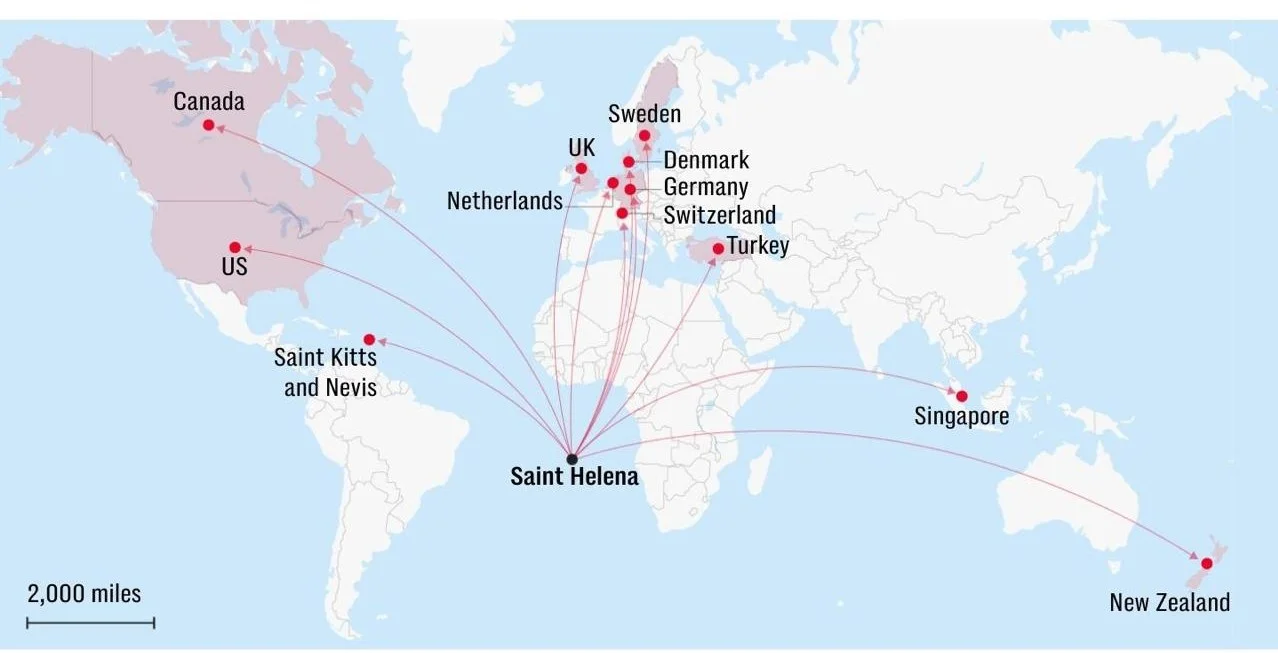
Passengers of the expedition cruise vessel MV Hondius who may have come into contact with carriers of the deadly hantavirus have already dispersed to different countries around the world. According to the World Health Organization, some of the potentially infected individuals were identified only more than two weeks after the voyage had ended. During that time, they could have interacted with thousands of people in airports, hotels, public transportation, and other crowded places.
Specialists warn that hantavirus infection can develop extremely rapidly. In severe cases, the disease causes acute damage to the lungs and kidneys, leading to respiratory failure, internal complications, and even death. What makes the situation especially dangerous is that the early symptoms often resemble a common flu: high fever, weakness, muscle pain, and headaches.
Scientists note that hantaviruses are primarily spread through contact with the secretions of infected rodents — urine, saliva, or dust particles containing the virus. However, in some cases, person-to-person transmission has also been recorded, causing additional concern among epidemiologists.
The situation surrounding MV Hondius has once again raised questions about the readiness of international structures to respond quickly to potential biological threats. Critics point out that the delay in tracking passengers may have significantly increased the risk of the infection spreading beyond the original outbreak zone.
Interestingly, hantavirus has been known to medicine for several decades, yet in recent years specialists have increasingly reported a rise in the number of cases worldwide. Some researchers associate this with climate change, rodent migration, and humanity’s active expansion into remote natural territories. Increased humidity and warmer winters also contribute to the growth of virus-carrying rodent populations.
Experts recommend paying close attention to symptoms after traveling, especially if a person has visited remote regions, natural areas, or places with high rodent activity. Early diagnosis in cases of hantavirus infection can play a decisive role in saving a patient’s life.