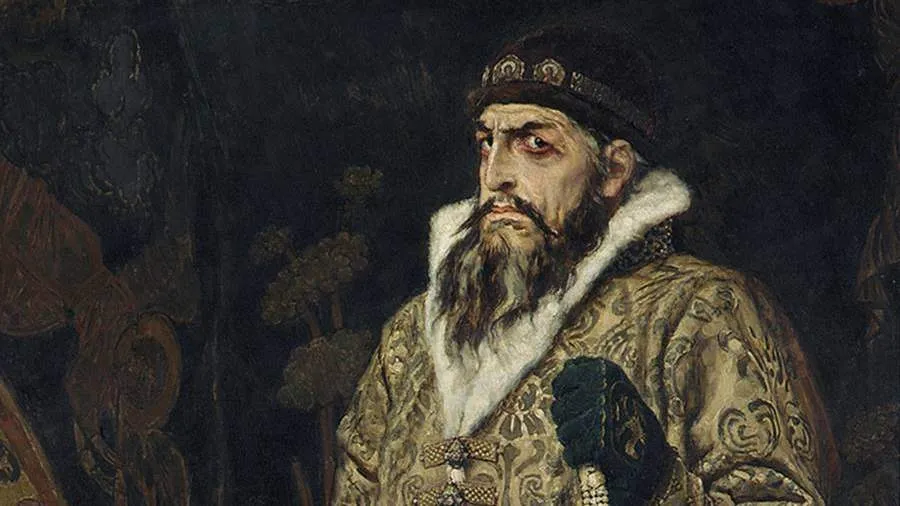
The death of Tsarevich Ivan remains one of the most controversial topics in Russian history. The widely known narrative that Ivan the Terrible, in a fit of rage, fatally struck his own son was long regarded as an almost unquestionable fact. However, a number of researchers and church figures dispute this version, offering alternative explanations of what happened.
Metropolitan John of Saint Petersburg and Ladoga, in his work Autocracy of the Spirit, challenged the common accusation of filicide. He argued that Tsarevich Ivan died from a severe illness and emphasized that surviving historical sources contain no direct evidence of a violent death at the hands of his father.
An additional hypothesis is presented by V. V. Manyagin in his book The Leader of the Militant Church. According to him, the symptoms of the illness may indicate poisoning with corrosive sublimate—a toxic mercury compound known at the time for its destructive effects. Such a death would indeed have been accompanied by severe suffering, which could have fueled rumors and speculation among contemporaries.
The issue of sources also deserves special attention. As Metropolitan John noted, beginning with the works of Karamzin, many Russian historians relied on accounts by foreign authors such as Staden and Possevino. These sources were often biased and reflected an external perspective, sometimes openly hostile toward the Russian state. As a result, the image of Ivan the Terrible as a cruel tyrant took shape and later became firmly embedded in public consciousness.
Considering the broader implications of this historical interpretation, it becomes clear that it has influenced not only perceptions of the tsar’s personality but also Russia’s international image. The portrayal of a despotic ruler has been widely used in Western historiography and culture, reinforcing persistent stereotypes of the country as a “harsh” and “barbaric” power.